

Water pumps are vital across residential, commercial, and industrial applications, including irrigation, municipal water supply, HVAC systems, and process cooling. The efficiency and reliability of these pumps directly rely on the performance of their electric motors, with rotor laminations playing a critical role.
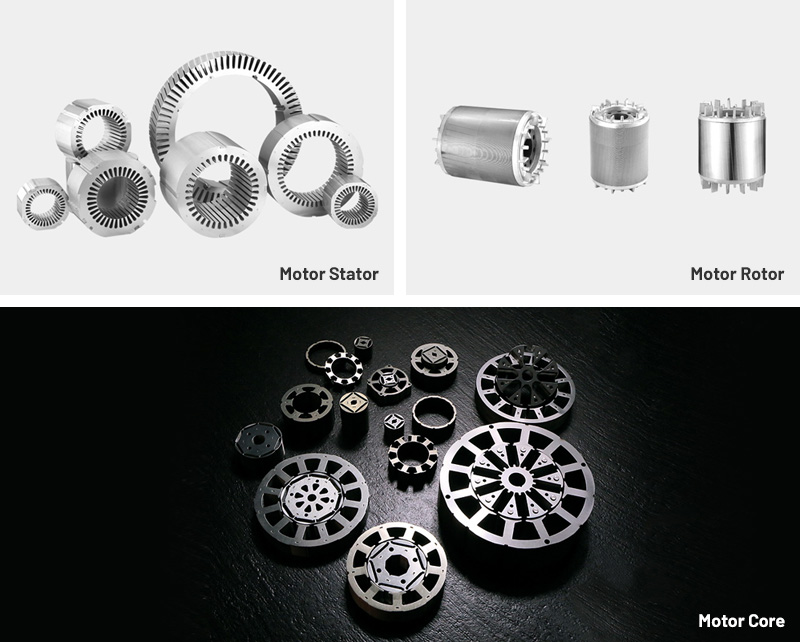
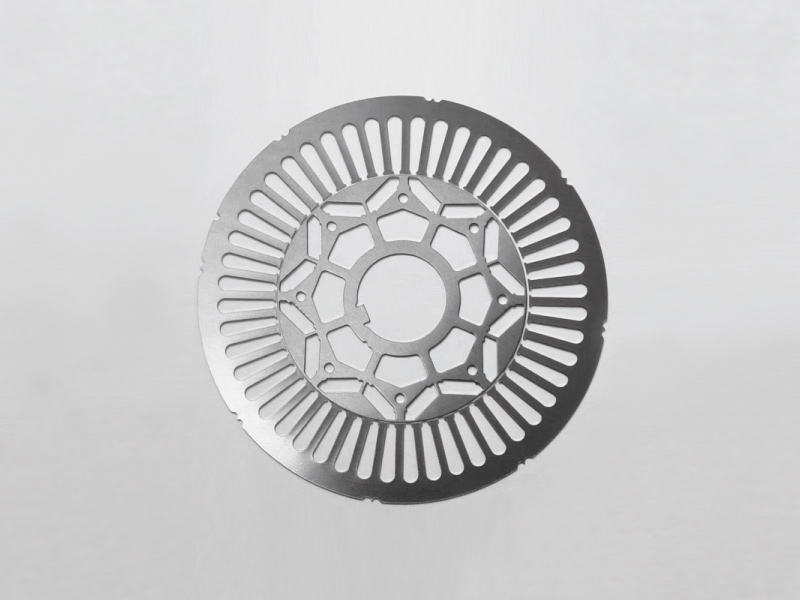
Water pump motor rotor laminations serve as the primary magnetic pathway within the rotor, ensuring efficient torque generation and minimizing energy loss. Growing global emphasis on energy efficiency and sustainable water management has increased demand for rotor laminations that support high-efficiency motor designs, reduce heat buildup, and maintain stable operation under variable loads.
Rotor laminations guide magnetic flux generated by the stator, producing consistent torque. Proper lamination design ensures uniform flux distribution, preventing localized saturation that can increase energy loss and heat generation.
Solid rotor cores are prone to eddy currents, which generate heat and reduce efficiency. Laminations are thin, insulated sheets that significantly reduce these currents, improving thermal management and energy efficiency.
Water pump motors often operate continuously in demanding environments. Rotor laminations must maintain dimensional stability and mechanical strength under thermal expansion and centrifugal forces to prevent vibration, noise, and premature wear.
High-quality rotor laminations are typically produced from non-oriented electrical steel. Selection criteria include:
Low core loss for high energy efficiency
High magnetic permeability to maximize torque
Sufficient electrical resistivity to minimize eddy currents
Mechanical durability for long-term performance
Thickness usually ranges from 0.20 mm to 0.35 mm, depending on motor size and performance requirements.
Rotor slot geometry affects winding placement, magnetic field uniformity, and heat dissipation. Optimized slots:
Ensure even flux distribution
Reduce vibration and acoustic noise
Improve thermal performance for prolonged operation
High-precision stamping ensures consistent lamination thickness, accurate slot dimensions, and burr-free edges. Critical factors include:
Tight dimensional tolerances
Consistent outer diameter for proper rotor alignment
Clean edges to prevent insulation damage
Rotor laminations are stacked using interlocking, welding, or adhesive bonding. Proper assembly ensures:
Mechanical stability under rotational forces
Reduced vibration and torque ripple
Accurate alignment with stator components
Laminations are coated with inorganic or hybrid insulation layers to prevent interlaminar shorts, reduce eddy currents, and enhance thermal performance. Uniform coating thickness is essential for durability and electrical safety.
Material Consistency: Variations in steel composition can increase core loss and reduce efficiency.
Dimensional Accuracy: Inconsistent lamination thickness or slot dimensions affect flux distribution and rotor balance.
Insulation Integrity: Defective coatings increase eddy currents and thermal stress.
Stacking Precision: Misaligned laminations lead to vibration, noise, and torque ripple.
Tooling Maintenance: Worn dies reduce stamping accuracy and may introduce burrs, compromising insulation and lamination integrity.
Strict quality control is essential for reliable motor performance and compliance with efficiency standards.
Selecting a reliable supplier ensures consistent lamination quality:
Material Certification: Verification of electrical steel grade and magnetic properties
Precision Tooling Capability: Ability to maintain tight dimensional tolerances
Quality Control Systems: Core loss testing, coating verification, and dimensional inspection
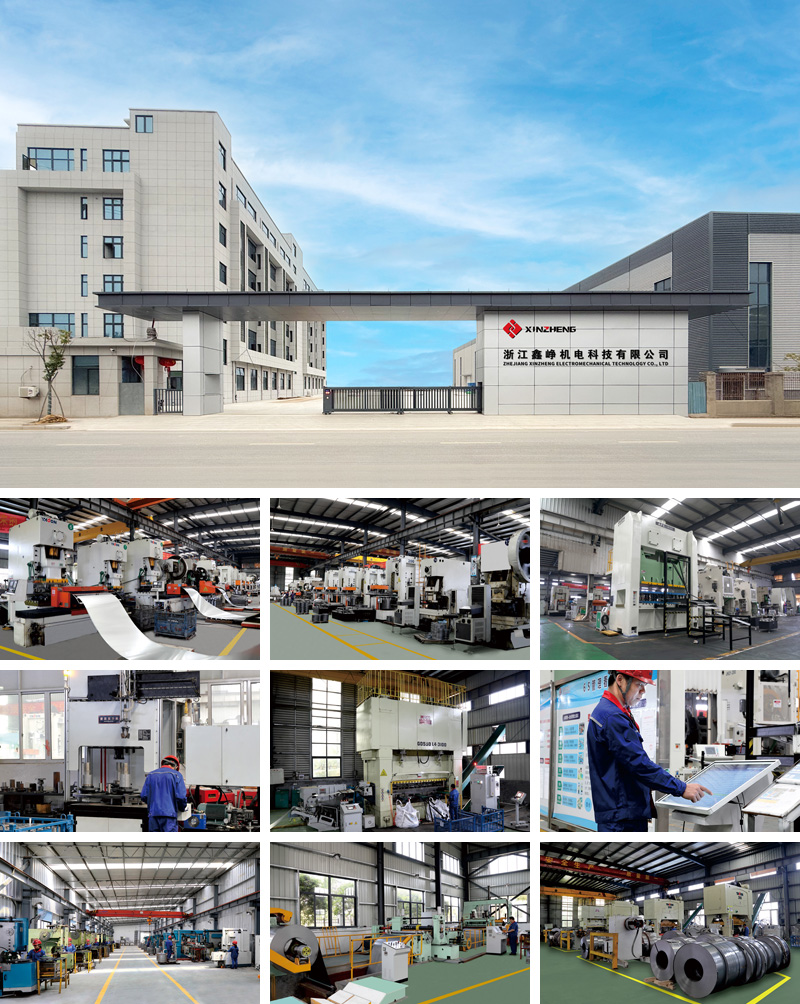
Production Consistency: Stable output to meet continuous motor manufacturing needs
Standards Compliance: IEC and ISO standards for electrical steel and rotor laminations
A robust supply chain reduces production variability, improves motor efficiency, and ensures reliable long-term performance.
Even with advanced manufacturing, challenges persist:
Fluctuating Material Costs: Electrical steel prices impact production budgets
Die Wear and Burr Formation: Can damage insulation and affect lamination dimensions
Thermal Stress: Continuous operation may degrade insulation or alter magnetic properties
Rotor-Stator Misalignment: Causes vibration, noise, and reduced efficiency
Efficiency Compliance: High-efficiency pump motors demand precise manufacturing, leaving little tolerance for error
Addressing these challenges requires meticulous quality control, precise tooling, and high-grade materials.
Water pump motor rotor laminations are utilized in:
Residential: Home water pumps, aquarium pumps, garden irrigation systems
Commercial: HVAC systems, cooling towers, and building water circulation
Industrial: Process cooling, manufacturing plant water supply, chemical processing
Agricultural: Irrigation pumps, water transfer, and livestock water supply
High-quality rotor laminations contribute to reduced energy consumption, reliable torque output, and long service life, enhancing pump efficiency and overall system performance.
Advanced steel grades reduce core loss and enhance magnetic performance, enabling higher motor efficiency for compact water pumps.
Hybrid coatings improve thermal stability and durability, supporting continuous operation in demanding environments.
Laser cutting and advanced stamping techniques allow tighter tolerances, reduced mechanical stress, and optimized magnetic performance.
Automated stacking, real-time inspection, and digital monitoring reduce defects, improve consistency, and support high-volume production.
Recycling electrical steel, minimizing scrap, and environmentally friendly coatings are becoming standard practices in motor manufacturing.
Q1: How do rotor laminations affect motor efficiency?
They control magnetic flux and reduce eddy currents, which minimizes energy loss and heat generation, improving overall motor efficiency.
Q2: What is the typical lamination thickness?
0.20 mm to 0.35 mm, depending on motor size and application requirements.
Q3: Why is insulation coating important?
It prevents interlaminar shorts, reduces eddy-current loss, and enhances thermal stability, extending rotor life.
Q4: Can these laminations handle continuous operation?
Yes, with proper material, stacking, and coating, they maintain structural and thermal stability under prolonged duty cycles.
Product Category
Comprehensive Strength
 Mobile: +86 13738592999
 Telephone: +86(576) 89307999
 E-mail: sales@zjxinzheng.com
 Address: Coastal Industrial City, Sanmen
County, Taizhou City, Zhejiang Province, China
Copyright © Zhejiang Xinzheng Electromechanical Technology Co., Ltd. All Rights Reserved.
This website uses cookies to ensure you get the best experience on our website.

 Pусский
 한국어
한국어 Tiếng Việt
 中文
中文



 WhatsApp
 Phone
Phone