

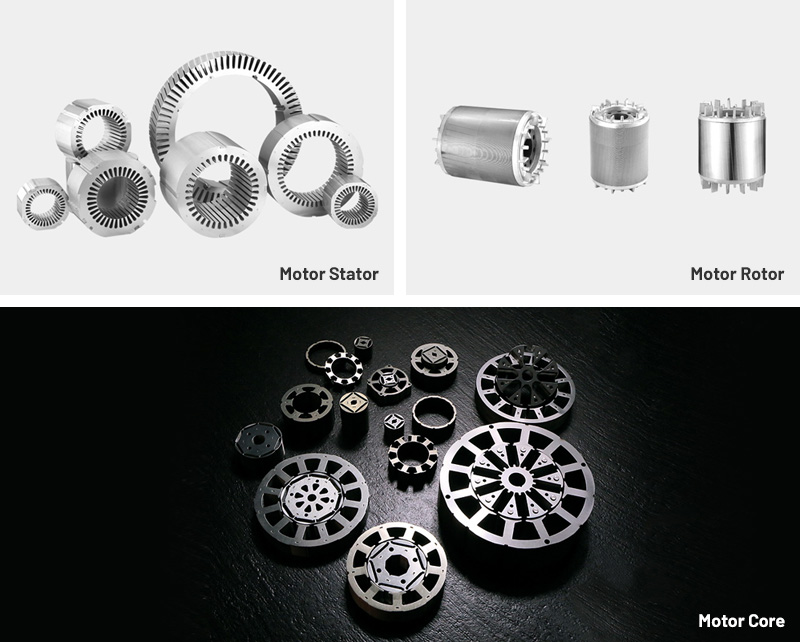
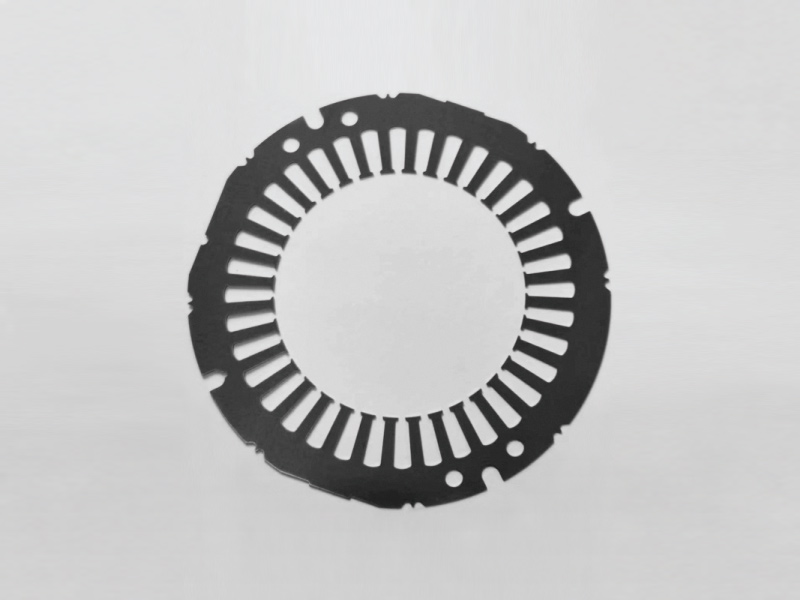
Water pump systems are critical components in industrial, commercial, agricultural, and residential applications. The reliability and efficiency of these systems heavily depend on the performance of their electric motors. At the heart of these motors lies the water pump motor stator laminations, which are essential for controlling magnetic flux, reducing energy loss, and ensuring consistent torque output.
With growing global emphasis on energy efficiency, sustainable water management, and high-performance pumping solutions, demand for high-quality stator laminations has increased. Manufacturers require laminations that not only improve motor efficiency but also reduce heat generation, minimize vibration, and extend operational life. This is especially relevant in high-demand applications such as irrigation systems, municipal water supply, industrial cooling, and HVAC systems.
Stator laminations in water pump motors serve as the primary magnetic pathway, enabling efficient torque generation while limiting energy loss. The key technical principles include:
Proper lamination design ensures uniform magnetic flux distribution across the stator core. Uneven flux can lead to localized saturation, increased core losses, and reduced efficiency. Optimized flux paths support stable torque, which is critical for maintaining consistent water flow under varying load conditions.
Eddy currents generated in solid cores produce heat and reduce motor efficiency. Laminations are thin, insulated sheets of electrical steel that limit these currents. Reducing eddy currents enhances thermal performance and extends motor life, particularly in high-speed or continuous-operation water pumps.
Water pump motors often operate in harsh environments, including high temperatures and continuous duty cycles. Stator laminations must maintain mechanical integrity and withstand thermal expansion to prevent vibration, noise, and premature wear.
High-quality water pump motor stator laminations are typically made from non-oriented electrical steel. Material selection focuses on:
Low core loss for energy-efficient operation
High magnetic permeability to optimize torque output
Adequate electrical resistivity to minimize eddy currents
Mechanical strength for durability under continuous operation
Lamination thickness generally ranges from 0.20 mm to 0.35 mm, tailored to motor size and efficiency requirements.
The slot geometry determines winding placement, flux distribution, and heat dissipation. Properly designed slots ensure:
Uniform magnetic field distribution
Reduced vibration and acoustic noise
Improved thermal management for extended motor life
High-precision stamping processes are used to produce laminations with strict dimensional tolerances. Key quality aspects include:
Burr-free edges to prevent insulation damage
Accurate slot and tooth dimensions for uniform flux paths
Consistent outer diameter to ensure proper fit and rotor alignment
Laminations are assembled through interlocking, welding, or adhesive bonding. Correct stacking ensures:
Mechanical rigidity under centrifugal and thermal forces
Reduced vibration and torque ripple
Accurate alignment with rotor components
Laminations are coated with inorganic or hybrid insulation layers to prevent interlaminar shorts and reduce eddy-current losses. Uniform coating thickness is critical for electrical insulation, thermal stability, and long-term reliability.
Several factors can impact the performance and durability of water pump motor stator laminations:
Material Consistency: Variations in electrical steel composition can increase core loss.
Dimensional Accuracy: Deviations affect flux distribution and rotor balance.
Insulation Integrity: Poor coating adhesion increases eddy currents and thermal stress.
Stacking Precision: Uneven lamination stacks can generate vibration and noise.
Tooling Maintenance: Worn dies reduce stamping quality, introduce burrs, and compromise insulation.
Ensuring strict control over these factors is essential for achieving reliable motor performance and meeting energy efficiency standards.
Selecting a reliable supplier for stator laminations is crucial for production consistency:
Material Certification: Verification of electrical steel grade and magnetic properties
Precision Tooling Capability: Ability to maintain high dimensional accuracy
Quality Control Systems: Dimensional inspection, core loss testing, and coating verification
Production Consistency: Stable output to meet continuous motor manufacturing requirements
Standards Compliance: IEC and ISO adherence for electrical steel and laminations
A dependable supply chain ensures reduced manufacturing variability, improved motor efficiency, and consistent performance across applications.
Even with advanced manufacturing technologies, common issues persist:
Material Price Fluctuations: Electrical steel costs can impact production budgets
Die Wear and Burr Formation: Leads to dimensional inconsistencies and insulation damage
Thermal Stress: Continuous operation may degrade insulation or alter magnetic properties
Rotor-Stator Misalignment: Causes vibration, noise, and reduced efficiency
Stringent Efficiency Requirements: High-efficiency pumps leave minimal margin for production errors
Addressing these challenges requires robust quality control, precise tooling, and advanced material selection.
Water pump motor stator laminations are applied across a variety of sectors:
Residential: Household water pumps, aquarium pumps, and garden irrigation systems
Commercial: HVAC systems, cooling towers, and building water circulation
Industrial: Industrial water supply, chemical processing, and manufacturing plant cooling systems
Agricultural: Irrigation pumps, water transfer systems, and livestock water supply
High-quality stator laminations ensure reduced energy consumption, stable torque, and quiet operation, enhancing both system efficiency and reliability.
New electrical steel grades with reduced hysteresis and eddy-current losses improve motor efficiency in compact water pumps.
Hybrid coatings enhance thermal performance and durability, enabling motors to handle continuous duty cycles without degradation.
Laser cutting and modern stamping techniques allow for tighter tolerances, reduced mechanical stress, and optimized magnetic performance.
Automated stacking, real-time inspection, and digital monitoring reduce defects, improve production consistency, and enable high-volume manufacturing.
Recycling electrical steel, minimizing scrap, and using environmentally friendly coatings are becoming standard practices in water pump motor production.
Q1: What differentiates water pump motor stator laminations from other motor laminations?
They are specifically designed for continuous-duty pump motors, emphasizing low core loss, thermal stability, and consistent torque.
Q2: What is the typical lamination thickness?
0.20 mm to 0.35 mm, depending on motor size and operational requirements.
Q3: How important is insulation coating?
Proper coatings prevent interlaminar shorts, reduce eddy-current losses, and improve thermal performance.
Q4: Can these laminations withstand high-speed continuous operation?
Yes, with precise material selection, stacking, and bonding, they maintain mechanical and thermal stability under prolonged use.
Product Category
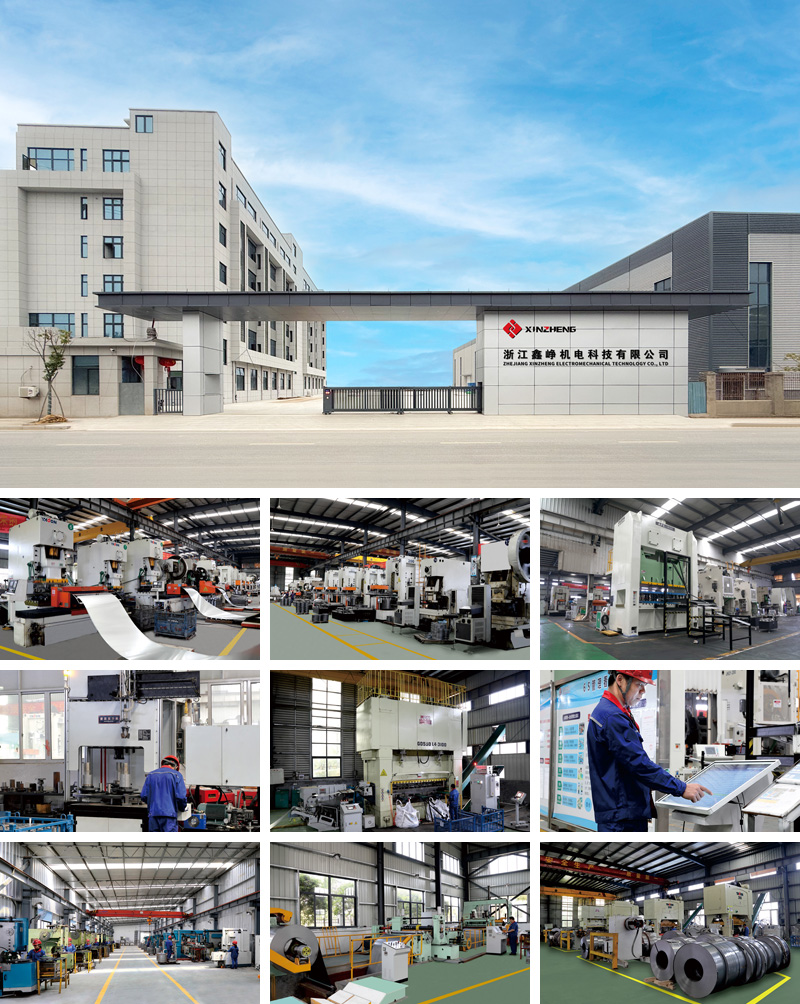
Comprehensive Strength
 Mobile: +86 13738592999
 Telephone: +86(576) 89307999
 E-mail: sales@zjxinzheng.com
 Address: Coastal Industrial City, Sanmen
County, Taizhou City, Zhejiang Province, China
Copyright © Zhejiang Xinzheng Electromechanical Technology Co., Ltd. All Rights Reserved.
This website uses cookies to ensure you get the best experience on our website.

 Pусский
 한국어
한국어 Tiếng Việt
 中文
中文



 WhatsApp
 Phone
Phone